
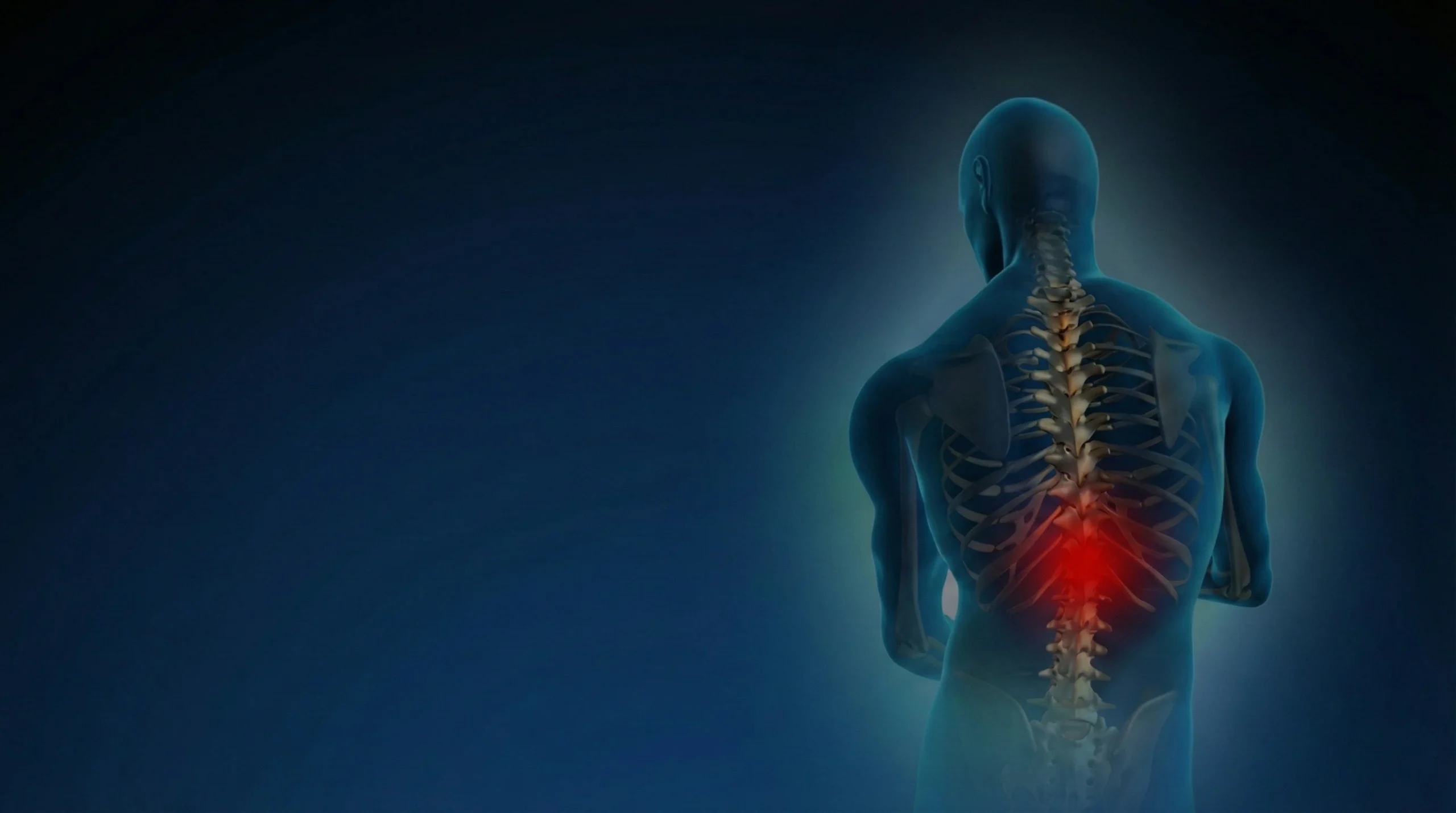
Best Physiotherapy in Sector-108, 107 palam vihar in Gurgaon
Physio Adviser India
Clinic Delhi/NCR
Physio Adviser India
Home Care Services
Physio Adviser India
Online Consultation
Get Expert Care From the Physiotherapy Treatment in Sector 108,107 in New Palam Vihar, Delhi NCR
Find the best Physiotherapy Treatment in Sector 108,107 in new palam vihar, Delhi NCR. With modern equipment, experienced therapists, and various treatments, these centers can help you feel better and stay healthy. Visit the Best Physiotherapist in the area.
Personalized Physiotherapy Treatment and Care
At PhysioAdviserIndia, we care for you from start to nish. Our experienced physiotherapists provide complete treatment, including consultation and post-care, ensuring you get the best possible care.
1- Quality Physiotherapy Care at PhysioAdviserIndia Clinic
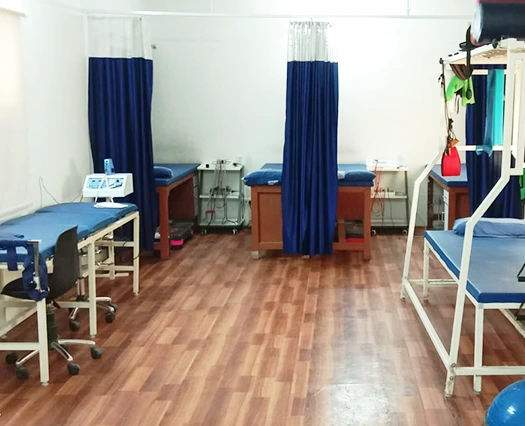
Visit PhysioAdviserIndia Clinic, an Advanced Physiotherapy Clinic in Sector 108,107 in new palam vihar, Delhi NCR. Our experienced physiotherapists offer personal care with the latest tools and methods. We provide treatments for joint pain, muscle issues, and nerve problems to help you heal faster. We also offer Physiotherapy Home Service for your convenience. Come to our clinic or call us for professional care that helps you feel better.
2- PhysioAdviserIndia Home Visit Care
Receive physiotherapy at home with Physiotherapy Home Service from PhysioAdviserIndia. Our expert physiotherapists will bring all the necessary equipment and care to your doorstep. Whether you’re recovering from surgery, managing pain, or improving mobility, we provide the best Physiotherapy Treatment in the comfort of your home. get in touch for professional home visits.
3- Tele Rehab Service for Convenient Therapy
Our tele rehab service allows you to receive physiotherapy from home, perfect for those who are busy or cannot leave their house. This service gives you access to the Best Physiotherapist from an Advanced Physiotherapy Clinic, so you can still get the care you need.
How Can Physiotherapy Help You?
Physiotherapy, also called physical therapy, is a type of healthcare that helps treat injuries, illnesses, or disabilities using physical methods. It helps improve how the body moves, especially muscles, nerves, and the heart.
Physiotherapists use methods like exercises, hands-on treatments, machines, and teaching to help people feel less pain and move better. They work with people who have problems like back pain, arthritis, sports injuries, strokes, spinal cord injuries, or nerve issues.
In Sector 108,107 in new palam vihar, Delhi NCR, physiotherapy helps people reduce pain, move better, get stronger, prevent more injuries, and become more independent. Physiotherapists work in hospitals, clinics, rehab centers, sports places, or even by themselves.
What is Advanced Physiotherapy and How Can It Help You?
Advanced physiotherapy helps people recover from physical problems using modern methods and tools. It includes treatments like manual therapy, chiropractic care, osteopathy, class 4 laser therapy, dry needling, cupping, myofascial release (MFR), and even virtual reality rehab. These treatments are all designed to help you recover faster and feel better.
If you’re looking for help, you can visit an Advanced Physiotherapy Clinic. They also offer services like seeing a Chiropractor near me in Sector 108,107 in new palam vihar, Delhi NCR, which can help with body aches and pain. Advanced physiotherapy also works with other healthcare professionals to give you complete care, making sure you get the best recovery and improve your quality of life.
PhysioAdviserIndia: Leading Experts in Physiotherapy, Osteopathy, and Manual Therapy
At PhysioAdviserIndia, we take pride in offering expert physiotherapy services in Sector 108,107 in new palam vihar, Delhi NCR, with a team of highly qualied and experienced specialists. Our physiotherapists, including Dr. Shardeshu Srivastava (Pt), Dr. Shivani Sharma (PT), and Dr. Jewel Shshankan (PT), are among the best in the field, ensuring personalized care based on your unique needs. Whether it’s advanced physiotherapy techniques, osteopathy, or manual therapy, our experts are here to help you recover and regain mobility.
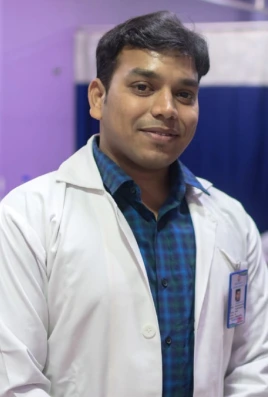
About Dr.Shardeshu Srivastava (Pt) MPT (Neurology), DO( Canada), FOMT (Australia), Acupuncturist (Malaysia)
- 13 years of experience In field of Hospital services, Home Care Services, Corporate services, On Ground National and International Sports events,
- Director Physiotherapy services PhysioAdviserIndia,
- Director Physiotherapy services Nazar Kanwar Surana Hospital.
- Osteopath, Chiropractic Manipulation
- IAFT Certified Aerobic, Pilates, Teraputic Yoga, Nutritionist, Cycle Instructor Trainer.
- Acupuncturist TCM and tung style

About Dr Shivani Sharma PT
- HOD Physiotherapy Services NKS Hospital, Delhi
- Co Director of PhysioAdviserIndia
- Sr Consultant Physiotherapist with specialization in Cardiopulmonary and Women Health.
- Certified Osteopath, Chiropractor
- Manual Therapist (Australia)
- Pelvic rehab specialist (IHFA)
- Acupuncturist (Malaysia )
- Dr Shivani Sharma practicing in this field from 2011.
Any problem with a sport, injury Prevention, etc.
We welcome the chance to serve you
How PhysioAdviserIndia’s Experts Can Support Your Health and Recovery?
Physiotherapists, osteopaths, and chiropractors at PhysioAdviserIndia offer a wide range of services to address your unique health needs. Here’s how they can help:
1. Condition Assessment & Diagnosis
The professionals at PhysioAdviserIndia will carefully assess your condition and accurately diagnose the cause of your pain or mobility problems.
2. Personalized Treatment Plans
Based on your diagnosis, a customized treatment plan will be created. This may include exercises, manual therapy, advanced physiotherapy, or other appropriate treatments designed to suit your specic needs.
3. Pain Relief Techniques
If you’re dealing with pain, the experts can employ various methods such as heat/cold therapy, ultrasound, or acupuncture to provide relief and improve your comfort.
4. Rehabilitation Support
For recovery after injuries or surgeries, Physiotherapists at PhysioAdviserIndia will design a tailored rehabilitation program to restore your strength, exibility, and movement.
5. Educational Guidance
They will help you understand your condition better, offering valuable advice on how to manage it and prevent future occurrences.
6. Improved Physical Function
Whether you need assistance with walking, running, or sports activities, the team at PhysioAdviserIndia will work to enhance your physical performance and overall function.
Book Your Appointment To Get Quality Services From Us!
Physiotherapy Services Available at PhysioAdviserIndia in Sector 108,107 in new palam vihar, Delhi NCR
At PhysioAdviserIndia, we offer comprehensive indoor Physiotherapy Treatment for individuals requiring rehabilitation due to conditions such as stroke, spinal cord injury (SCI), head injuries, and other neuro or orthopedic ailments, with admission facilities.
Explore the Extensive Physiotherapy Services Provided by PhysioAdviserIndia:
We provide a broad spectrum of physiotherapy treatments to address various health concerns and aid in recovery.
1- Solutions for Orthopedic and Musculoskeletal Conditions: Managing Pain and Improving Mobility
Orthopedic and musculoskeletal conditions affect various parts of our body, such as bones, joints, muscles, ligaments, and tendons. These conditions can arise due to various factors like injuries, genetics, poor lifestyle choices, and diseases. Whether acute or chronic, these issues can signicantly impact daily life, leading to pain, discomfort, and reduced mobility.
Common Orthopedic and Musculoskeletal Conditions
Some of the most common orthopedic and musculoskeletal issues include:
1. Arthritis: Arthritis is a group of conditions that cause joint inammation, leading to pain,stiffness, and decreased mobility. Over time, this condition can make it difficult to perform everyday tasks.
2. Osteoporosis: This condition weakens bones, making them fragile and more prone to fractures.Osteoporosis is particularly common in older adults and can be aggravated by poor nutrition, lack of exercise, and hormonal imbalance.
3. Fractures: Fractures are breaks or cracks in bones, often caused by a fall or trauma. These can lead to severe pain and require immediate medical intervention to ensure proper healing.
4. Sprains and Strains: A sprain is an injury to ligaments, while a strain affects muscles or tendons. Both conditions can lead to pain, swelling, and limited movement.
5. Back Pain: Back pain can result from poor posture, injury, or degenerative diseases. It’s one of the most common complaints and can vary in severity, often affecting mobility and daily activities.
6. Tendinitis: Tendinitis is the inammation of a tendon, causing pain and restricted movement. It’s often caused by repetitive activities or overuse of muscles.
7. Carpal Tunnel Syndrome: This condition occurs when pressure on the median nerve in the wrist causes pain, numbness, and tingling in the hand and arm, often due to repetitive motion or prolonged strain.
8. Scoliosis: Scoliosis is an abnormal curvature of the spine, which can lead to back pain and, in severe cases, breathing diculties. Early detection and treatment are essential for managing this condition.
9. Bursitis: Bursitis occurs when the bursa, a uid-lled sac that cushions joints, becomes inflamed. It leads to pain and swelling in the affected area, often in the shoulders,hips, or elbows.
10.Rotator Cuff Injury: The rotator cuff consists of muscles and tendons around the shoulder. Injuries to this area can cause pain, weakness, and diculty lifting the arm.
Effective Treatment Options
The treatment for orthopedic and musculoskeletal conditions depends on the type and severity of the condition. Common treatment options include:
1. Physical Therapy: A key treatment for many conditions, physical therapy helps restore movement,strength, and exibility. It can signicantly reduce pain and improve mobility.
2. Medications: Pain relievers, anti-inammatory drugs, and muscle relaxants can help manage symptoms. In some cases, stronger medications or injections may be necessary for severe pain.
3. Surgery: Surgery may be needed for more serious cases, such as fractures that don’t heal correctly, or for conditions like osteoarthritis where joint replacement is required.
4. Lifestyle Changes: Regular exercise, weight management, and a balanced diet can help prevent and manage orthopedic and musculoskeletal conditions. Adopting better posture and ergonomics can reduce strain on the body.
5. Post-Surgery Rehabilitation: After surgeries such as total knee or hip replacement, rehabilitation is essential to regain strength and improve mobility. Physical therapy plays a critical role in the recovery process.
Solutions for Managing Orthopedic and Musculoskeletal Conditions
- Early Diagnosis: Catching orthopedic and musculoskeletal issues early can make a big difference in treatment success.
- Personalized Treatment Plans: Every person’s needs are different, so a tailored treatment plan is key to managing symptoms effectively.
- Support Systems: Encouragement from family, friends, and healthcare providers can help individuals cope with the emotional aspects of these conditions.
- Technological Advancements: Tools like advanced imaging, minimally invasive surgery, and telemedicine can enhance treatment options and improve outcomes.
2- Neuro Physiotherapy: Comprehensive Care for a Stronger, Healthier Future
Neurological conditions can have a signicant impact on a person’s life, but with the right treatment, recovery is possible. Our Neuro Physiotherapy Rehabilitation Program is designed to help individuals regain their independenc, improve physical and cognitive functions, and enhance their overall quality of life. We understand that each person’s journey is unique, and our programs are tailored to meet specic needs, whether for stroke recovery, managing Parkinson’s disease, or dealing with conditions like Bell’s Palsy or GBS.
Key Conditions We Address:
- Stroke Paralysis Rehabilitation
- Bell's Palsy/Fasical Palsy
- Parkinson's Disease
- GBS (Guillain-Barré Syndrome)
- Ataxia / Balance & Coordination Issues
- Other Neurological Conditions
Challenges in Neurological Rehabilitation
Recovering from neurological conditions can be difficult. Many people face challenges like:
- Limited mobility: and difficulty in regaining balance.
- Cognitive impairments: such as trouble with memory, attention, or problem-solving.
- Speech and communication issues: making it hard to express thoughts clearly.
- Difficulty with daily activities like: dressing, eating, or walking.
Our Approach: Comprehensive Solutions for Better Recovery
Our Neuro Physiotherapy Rehabilitation Program incorporates various therapies designed to address both physical and cognitive challenges. Here’s how we help:
- Neuro Physiotherapy Treatment: Physical therapy to enhance mobility, improve strength, and restore balance. We focus on tailored exercises that suit your recovery pace and needs.
- Occupational Therapy: This therapy is aimed at improving your ability to perform everyday tasks. Whether it’s dressing, cooking, or cleaning, we help you gain the independence to carry out daily activities.
- – Speech Therapy: If you face diculty in speaking or swallowing, our speech therapy will help improve communication skills and overall mouth function, making social interactions easier.
- Cognitive Therapy: We focus on enhancing your memory, attention span, and problem-solving skills. Our trained therapists use various cognitive exercises to help you regain mental sharpness and concentration.
- Assistive Technology: We use advanced technology to support mobility,communication, and other activities of daily living. This includes devices like walkers,communication boards, and more.
- Medication Management: Medications play a vital role in managing symptoms and preventing further complications. We assist in managing medication, ensuring you stay on track with your recovery plan.
3- Sports Injury Recovery: Key Rehabilitation Techniques to Regain Strength and Prevent Future Injuries
Sports injuries are an inevitable part of an athlete’s journey, but with proper rehabilitation, athletes can recover and return to their peak performance levels. Sports physiotherapy plays a key role in this process by helping athletes regain strength,exibility, and mobility. Whether dealing with ligament sprains, muscle strains, or chronic injuries, rehabilitation is vital to prevent further damage and ensure a safe return to the game.
Challenges in Sports Injury Rehabilitation
Athletes face various challenges during the recovery process. Common issues include:
- Delayed Healing: Injuries may take longer to heal than expected, causing frustration and anxiety.
- Pain and Discomfort: Ongoing pain can hinder an athlete's ability to perform rehabilitation exercises effectively.
- Re-injury Risk: Returning to play too soon increases the risk of re-injury,especially without adequate rehabilitation.
- Chronic Injuries: Long-term injuries from overuse can complicate recovery, leading to recurring pain and performance decline.
These challenges require careful management, and sports physiotherapy offers effective solutions tailored to individual needs.
Key Components of Sports Injury Rehabilitation
Sports injury rehabilitation focuses on restoring the function of the injured body part through a variety of techniques. Here’s how rehabilitation addresses different aspects of recovery:
1- Acute Injuries: Early Diagnosis and Immediate Treatment
- Rest and ice: Resting the injured area and using ice packs helps to reduce swelling and pain immediately after an injury.
- Physical Therapy: Targeted exercises, stretches, and techniques are used to heal tissues and strengthen muscles, making the body more resilient to future injuries.
- Electrical Stimulation: This therapy helps in muscle recovery and pain relief by using low-frequency electrical pulses.
2- Chronic Injuries: Long-Term Solutions for Overuse
- Heat Therapy: Applying heat promotes better blood ow to the injured area, aiding the healing process for long-standing injuries.
- Massage Therapy: A gentle massage can ease muscle tension, increase circulation, and reduce pain in chronic injury sites.
- Joint Mobilization: This technique helps restore movement in stiff or painful joints, improving mobility.
3- Sports Physiotherapy for Flexibility and Strength
- Ultrasound Therapy: High-frequency sound waves reduce inflammation and accelerate the healing of soft tissues.
- Strengthening Exercises: These exercises help build up the muscles around the injured area, improving strength and preventing future injuries.
Solutions for Successful Rehabilitation
Each athlete’s recovery is unique, and sports injury rehabilitation needs to be customized. Key solutions for a successful recovery include:
- Individualized Treatment Plans: Assessment of the injury helps develop a personalized rehabilitation program
- Consistency and Patience: Adhering to the rehabilitation program is critical for healing. Rushed recovery can result in reinjury.
- Regular Monitoring and Adjustments: As the athlete heals, the rehabilitation program should evolve to address new challenges, helping them progress safely
4- Cardiopulmonary Physiotherapy: A Pathway to Better Heart and Lung Function
Cardiopulmonary physiotherapy focuses on treating and improving the health of patients with heart and lung conditions. This type of physiotherapy aims to enhance lung function, improve heart health, and help patients manage their breathing difficulties. It involves a variety of techniques and interventions tailored to the individual’s condition.
Common Cardiopulmonary Conditions Treated
This form of physiotherapy is benecial for patients suffering from a range of heart and lung conditions, such as:
- Chronic obstructive pulmonary disease (COPD)
- Asthma
- C Emphysema
- Cystic fibrosis
- Congestive heart failure
- Coronary artery disease
Main Challenges in Cardiopulmonary Health
Living with heart and lung diseases can signicantly impact daily life. Some common challenges include:
- Shortness of breath or breathing diculties
- Reduced ability to exercise or engage in physical activities
- Fatigue and weakness
- Diculty managing symptoms at home
These challenges can lead to reduced quality of life and increased dependence on medical care. However, effective physiotherapy can help overcome many of these issues.
Key Treatment Techniques in Cardiopulmonary Physiotherapy
Cardiopulmonary physiotherapists use various approaches to manage these challenges and help patients regain their strength and independence. Some of the common techniques include:
1- Breathing Exercises
Breathing exercises are essential in improving lung function. Techniques like pursed lip breathing and diaphragmatic breathing help patients control their breath, reduce anxiety,and manage shortness of breath.
2- Exercise Training
Regular exercise is vital for improving cardiovascular tness and stamina.Physiotherapists create personalized exercise plans that gradually build endurance,strength, and overall physical capability. These programs are designed to help patients perform daily activities more easily.
3- Airway Clearance Techniques
For patients with lung conditions, clearing mucus from the airways can be challenging.Physiotherapists teach specic airway clearance techniques that make it easier for patients to breathe and clear their airways, improving overall lung function.
4- Postural Drainage and Chest Physiotherapy
These techniques help remove excess mucus and improve lung function. The physiotherapist uses specific positions and techniques to help the patient expel mucus and open up air passages.
5- Oxygen Therapy
For severe breathing diculties, oxygen therapy can make a signicant difference.Physiotherapists help patients use oxygen correctly to improve oxygen intake and make breathing easier.
6- Lifestyle Changes and Education
Lifestyle modications play a crucial role in managing heart and lung conditions. Physiotherapists not only provide physical treatments but also educate patients on managing their condition. This includes advice on quitting smoking, eating healthily,staying active, and managing stress—all of which contribute to better heart and lung health.
Cardiopulmonary Physiotherapy in the Rehabilitation Process
Cardiopulmonary physiotherapy is vital in the rehabilitation process, especially post-surgery or after a major heart or lung event, such as coronary artery bypass grafting (CABG), asthma attacks, or angiography. With the help of physiotherapists,patients can regain their strength, improve their quality of life, and reduce the chances of future complications.
Solutions to Overcome Cardiopulmonary Challenges
While managing heart and lung conditions can be dicult, physiotherapy offers solutions that make a real difference. By following personalized treatment plans,engaging in regular exercise, and learning effective breathing techniques, patients can greatly enhance their overall well-being. In cases where patients struggle with severe symptoms, physiotherapists can provide supplemental oxygen therapy and additional support to ensure that each patient’s needs are met.
5- Advanced Physiotherapy and Wellness Solutions for Your Body
1. Chiropractic Alignment and Spinal Manipulation
Chiropractic alignment, also known as spinal manipulation, is a therapy designed to improve movement in the joints and relieve pain, particularly in the spine. This technique involves applying controlled pressure to certain joints to restore proper alignment, which helps reduce discomfort in the musculoskeletal system.
2. Full Body Chiropractic Alignment and Posture Correction
Full body chiropractic alignment focuses on correcting misalignments in the spine, hips,shoulders, and other body parts. It improves joint movement and restores alignment.Posture correction targets imbalances that lead to poor posture, chronic pain, and limited movement. These treatments combine manual adjustments, mobilization, soft tissue therapy, exercises, and stretching to help you regain better mobility and reduce pain.
3. Full Body Detox Cupping Therapy
Full body detox cupping therapy is a traditional Chinese medicine technique that helps promote healing and improve overall health. By placing suction cups on various body parts, a vacuum effect is created, improving blood circulation and eliminating toxins.This therapy is known to reduce pain, inammation, and enhance immune function.Though safe for most, it may cause temporary bruising. It is important to check with your healthcare provider if you have specic health conditions before trying cupping therapy
4. Dry Needling and Acupuncture
Dry needling and acupuncture are two techniques commonly used to relieve pain and improve function. Dry needling involves inserting thin needles into specic muscle trigger points to relieve tension and reduce pain. Acupuncture, a practice from traditional Chinese medicine, uses needles to stimulate energy ow (qi) at specific points on the body. Both methods can help with back pain, neck pain, and headaches.Dry needling is typically done by healthcare professionals, while acupuncture is performed by licensed acupuncturists
5. Acupuncture for Neurological Conditions: Head Injuries, SCI, Stroke
Acupuncture is also benecial for neurological conditions like head injuries, spinal cord injuries (SCI), and stroke. By inserting thin needles at specific points on the body,acupuncture helps reduce pain, swelling, and muscle tension, while also improving mobility and overall function. For stroke patients, acupuncture may assist in recovery of speech, motor skills, and pain relief. Always consult your healthcare provider before starting acupuncture for neurological conditions.
6. Deep Tissue Myofascial Release and Theragun Recovery
Deep Tissue Myofascial Release applies sustained pressure to alleviate tension in muscles and connective tissues, promoting healing. Theragun Recovery uses percussive therapy to relieve muscle pain and stiffness, enhancing recovery. Both techniques are often used by athletes to improve performance and prevent injuries.
7. Craniosacral Therapy for Stress, Anxiety, and Headaches
Craniosacral therapy (or cranial osteopathy) is a gentle treatment aimed at improving the flow of cerebrospinal fluid around the brain and spinal cord. This therapy is effective for relieving stress, anxiety, and headaches, while also improving both physical and emotional health. It is considered safe when performed by a trained professional.
8. Cranial Electrical Stimulation for Anxiety and Insomnia
Cranial Electrical Stimulation (CES) involves using a small device placed on the earlobe to send low-level electrical impulses to the brain. This treatment helps calm the nervous system, effectively reducing anxiety, depression, and insomnia symptoms. While CES is generally safe, it should be used under the guidance of a healthcare provider These services offer a comprehensive approach to enhance your health and overall well-being, providing relief from pain, stress, and various conditions. Be sure to consult your healthcare provider to ensure these treatments are appropriate for your individual needs.
6- Holistic Women’s Health and Rehabilitation: Comprehensive Care for Every Stage of Life
Supporting Women’s Health Through Tailored Care
Women’s health and rehabilitation programs are designed to address the unique health challenges that women face at different stages of life. These programs provide a range of services, including medical care, physiotherapy, and counseling, to help women manage specic health conditions and improve their overall well-being.
Key Areas of Focus
These programs are tailored to meet the individual needs of women, covering a variety of health concerns:
1- Pregnancy-Related Conditions
Pregnancy and childbirth can lead to specic health issues like pelvic girdle pain,incontinence, and diastasis recti (separation of abdominal muscles). Women’s health programs provide the necessary support to manage these conditions and promote recovery.
2- Pelvic Floor Dysfunction
Conditions such as urinary incontinence, pelvic organ prolapse, and pelvic pain can be treated with specialized physiotherapy as part of these programs, helping women restore their pelvic floor health.
3- Breast Cancer Rehabilitation
After breast cancer treatment, women may face challenges like lymphedema, fatigue,and other side effects. Rehabilitation programs provide physiotherapy to address these concerns and help women regain strength and mobility.
4- Menopause Support
Menopause can bring about symptoms like hot ashes, mood changes, and sleep disturbances. These programs offer education, support, and guidance on managing menopause and maintaining a healthy lifestyle during this transition.
5- Osteoporosis Care
Osteoporosis, a condition that weakens bones, is common among women, especially with age. Rehabilitation programs offer physiotherapy and education to help manage osteoporosis and prevent fractures.
Holistic Approach to Women’s Health
Beyond medical care and physiotherapy, women’s health programs also offer counseling to address the emotional and psychological impact of health issues. The goal is to empower women, provide them with the tools to manage their health, and ensure they feel supported throughout their journey.
Improving Quality of Life
This comprehensive approach aims to improve the quality of life for women, helping them live healthier and more fullling lives.
7- Comprehensive Antenatal and Postnatal Care: Benefits of Physiotherapy for Mothers
Antenatal and Postnatal Programs: Supporting Mothers Every Step of the Way
Program Options:
- 3 Month Program
- 1-Month Program / 3 Sessions per Week
- Weekly Sessions for 3 to 6 Months
What is the Antenatal-Postnatal Program?
The Antenatal-Postnatal Program is designed to support pregnant women and new mothers by providing essential services. This includes regular check-ups, guidance on maintaining a healthy pregnancy, tips for delivery, and advice on caring for your newborn. The goal of this program is to improve the health of both mothers and babies while supporting the mental well-being of new mothers.
How Physiotherapy Helps in Recovery and Well-Being?
- Pain relief: Physiotherapy techniques like massage, stretching, and specific exercises can ease pain caused by injuries, surgeries, or chronic conditions.
- Improved mobility and flexibility: Physiotherapy helps improve exibility and the range of motion in affected body areas, especially after surgery or injury.
- Recovery After Injury or Surgery: Physiotherapy speeds up recovery after injury or surgery and prevents complications like muscle weakness or joint stiffness.
- Improved mobility and flexibility: Physiotherapy helps improve exibility and the range of motion in affected body areas, especially after surgery or injury.
- Managing Chronic Conditions: Physiotherapy supports people dealing with conditions like arthritis, back pain, and heart disease by encouraging exercise,reducing pain, and boosting overall well-being.
- Injury Prevention: Physiotherapy teaches proper movement techniques to help reduce the risk of future injuries and improve general health.
How to Contact the Best Physiotherapy Services in Palam Vihar, Gurgaon?
To get in touch with the leading Osteopathy, Chiropractic, and Physiotherapy services in Sector 108,107 in new palam vihar, Delhi NCR, follow these simple steps:
- Search Online: Type “physioAdviserIndia” in Google to nd our ocial website.
- Fill Out the Form: Once on the website, you can easily fill out the contact form to reach us directly.
- Rehabilitation after injury or surgery: Physiotherapy can help speed up the healing process and promote recovery after injury or surgery. It may also help prevent complications such as muscle weakness or joint stiffness.
- Call Us: You can also contact us through the phone number provided on the website for any inquiries or appointments.
- Book an Appointment: Use the online form to book your physiotherapy appointment at your convenience.
Why Choose PhysioAdviserIndia for Advanced Physiotherapy and Chiropractic Care?
PhysioAdviserIndia is a trusted name for Advanced Physiotherapy, Chiropractic, and
Osteopathy services in Sector 108,107 in new palam vihar, Delhi NCR and
surrounding areas. Our clinic is equipped with the latest advancements in rehabilitation and recovery, ensuring you receive the highest quality physiotherapy care.
FAQs on Best Physiotherapist in Delhi
How do I choose the Best Physiotherapist in Delhi?
Looking for the Best Physiotherapist in Delhi, so visit PhysioAdviserIndia who has expertise treating patients with problems similar to yours, has excellent evaluations from prior patients, and has a kind and approachable manner.
What should I look for in a physiotherapy clinic?
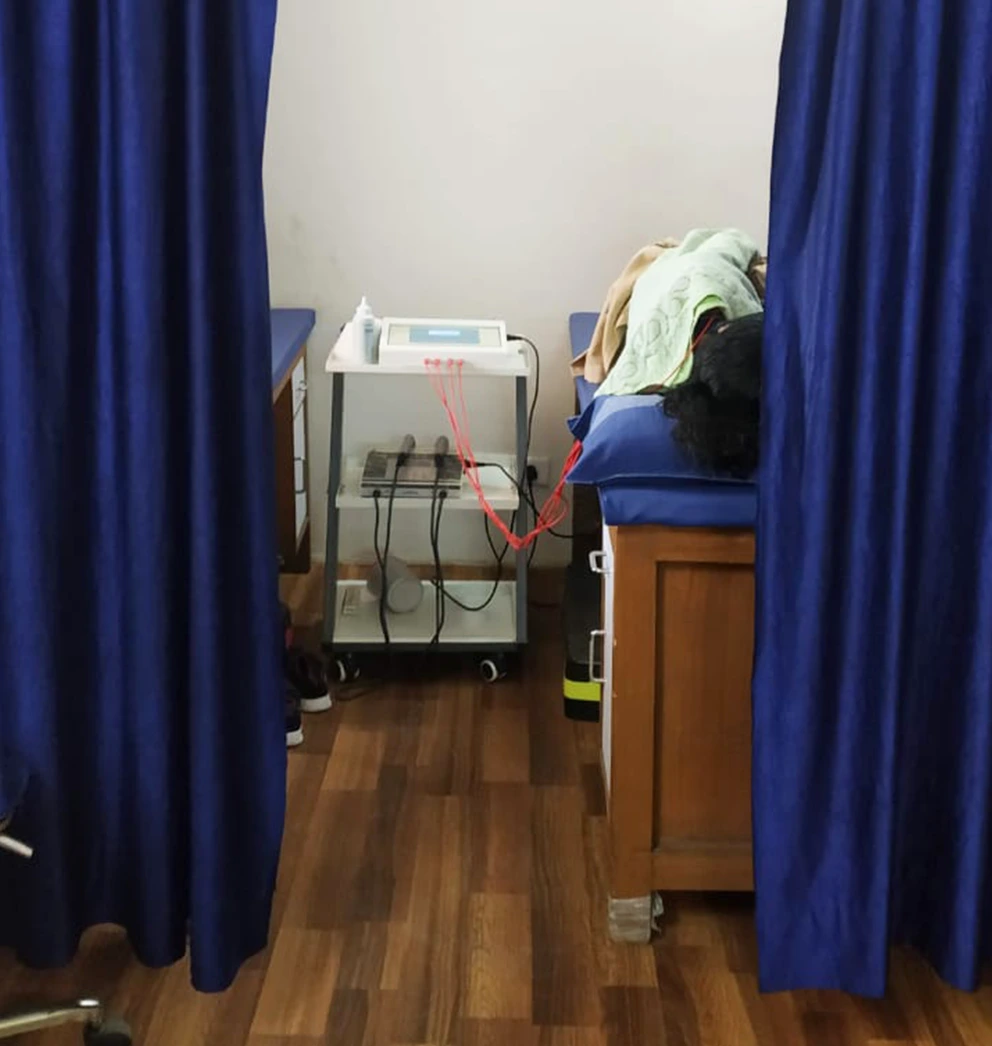
When looking for a physiotherapy clinic, look for one that is clean, well-equipped, and staffed by qualified and experienced physiotherapists.
Can Advance Physiotherapy help with chronic pain?
In order to increase range of motion, lessen discomfort, and enhance general quality of life, physiotherapy can be an effective treatment for chronic pain.
Can physical therapy treat sports-related injuries?
Yes, physiotherapy can help improve mobility, lessen pain, and ward off further injuries when used as a treatment for sports injuries.
Can physical therapy treat neurological disorders?
Yes, physical therapy can help to improve mobility, balance, and coordination in people with neurological conditions.
Will physical therapy hurt?
Though your physiotherapist will work with you to make sure your treatment is as comfortable as possible, some physiotherapy treatments may cause mild discomfort.
How many PT sessions will I require?
The severity of your condition will determine how many physiotherapy sessions you require. Your physiotherapist can offer advice to you on this subject.
What types of therapies do physical therapists use?
Exercises, manual therapy, electrotherapy teaching, and other therapies are used by physiotherapists.
What attire is appropriate for my physiotherapy sessions?
It is advised to dress comfortably and loosely to allow for unrestricted mobility. Your physiotherapist can urge you to wear a certain set of clothes or shoes to your appointments, depending on your condition.
How many physiotherapy appointments will I require?
The number of physiotherapy sessions you’ll require will depend on your ailment, how severe it is, and your unique goals. After your initial evaluation and as your treatment progresses, your physiotherapist will be able to give you a better idea of how many sessions you’ll need.